1. Introduction
Eco-horror and Human-Plant-Computer Interaction (HPCI) intersect in video games to potentially cultivate ecological awareness through innovative, non-human-centered design strategies. Eco-horror is a genre that explores humanity’s fear of nature’s uncontrollable aspects, often portraying plants and natural environments as hostile, mysterious, or threatening. In contrast, HPCI is an emerging interdisciplinary field of research that integrates plants as interactive agents within digital systems, emphasizing sustainable design, interspecies collaboration, and empathy for non-human entities. HPCI’s biocentric perspective provides a foundation for challenging anthropocentric views by treating plants as dynamic, interactive agents within game environments, engaging players with ecological processes in powerful new ways.
Despite this potential, many video games relegate plants to aesthetic background elements, serving as passive scenery that enhances visual realism and atmosphere without requiring interaction. From lush forests to sprawling jungles, plants frequently immerse players in natural landscapes, contributing to world-building by evoking a “sense of place[1]” and empathetically reconnecting humans to the natural world (Hu et al., 2024). However, these plants often remain static and inert, functioning primarily as decorative assets. In open-world games like The Witcher 3: Wild Hunt ( CD Projekt Red, 2015) or Red Dead Redemption 2 (Rockstar Studios, 2018), vegetation enhances the realism of environments but generally does not demand significant player engagement beyond its visual presence or plant gathering interactions (Crowley et al., 2021).

|
|---|
As a contracting genre, eco-horror offers a compelling framework for engaging players with themes of environmental imbalance and human impact on nature. However, its capacity to foster ecological empathy is debated. Critics argue that fear-based portrayals of nature, such as Estok’s concept of ecophobia (Estok, 2018), risk reinforcing antagonistic human-nature binaries rather than promoting a sense of ecological intimacy. This critique suggests that casting plants as monstrous forces could unintentionally perpetuate harmful stereotypes of nature as adversarial or hostile. Consequently, ecohorror may hinder rather than help cultivate a nuanced understanding of human-plant relationships. Still, eco-horror can also serve as a medium for ecological reflection when combined with gameful design principles. As McGonigal (2011) suggests, games can transform fear into proactive engagement, where players are empowered rather than disheartened. Although eco-horror often portrays nature as terrifying, it can also provoke ecological reflection – a tension explored in depth throughout this paper. From a philosophical standpoint, framing plants primarily as hostile or threatening risks overshadows more ethically aware representations of plant agency. Recent perspectives challenge this binary. For instance, the notion of Plant-thinking (Marder, 2013) and Metaphysics of Mixture (Coccia, 2019) advocate for understanding plants as dynamic co-inhabitants rather than passive or antagonistic entities. Similarly, critiques of the cultural narrative that positions nature as separate from humanity call for a more integrated perspective (Cronon, 1996). Moreover, Morton’s concept of Dark Ecology challenges romanticized notions of nature, suggesting that embracing discomfort and uncertainty is key to rethinking ecological relationships (Morton, 2016). These perspectives highlight how eco-horror in games might inadvertently inhibit the ecological empathy it seeks to promote and how game designers might instead use horror to confront unsettling truths while fostering environmental reflection.
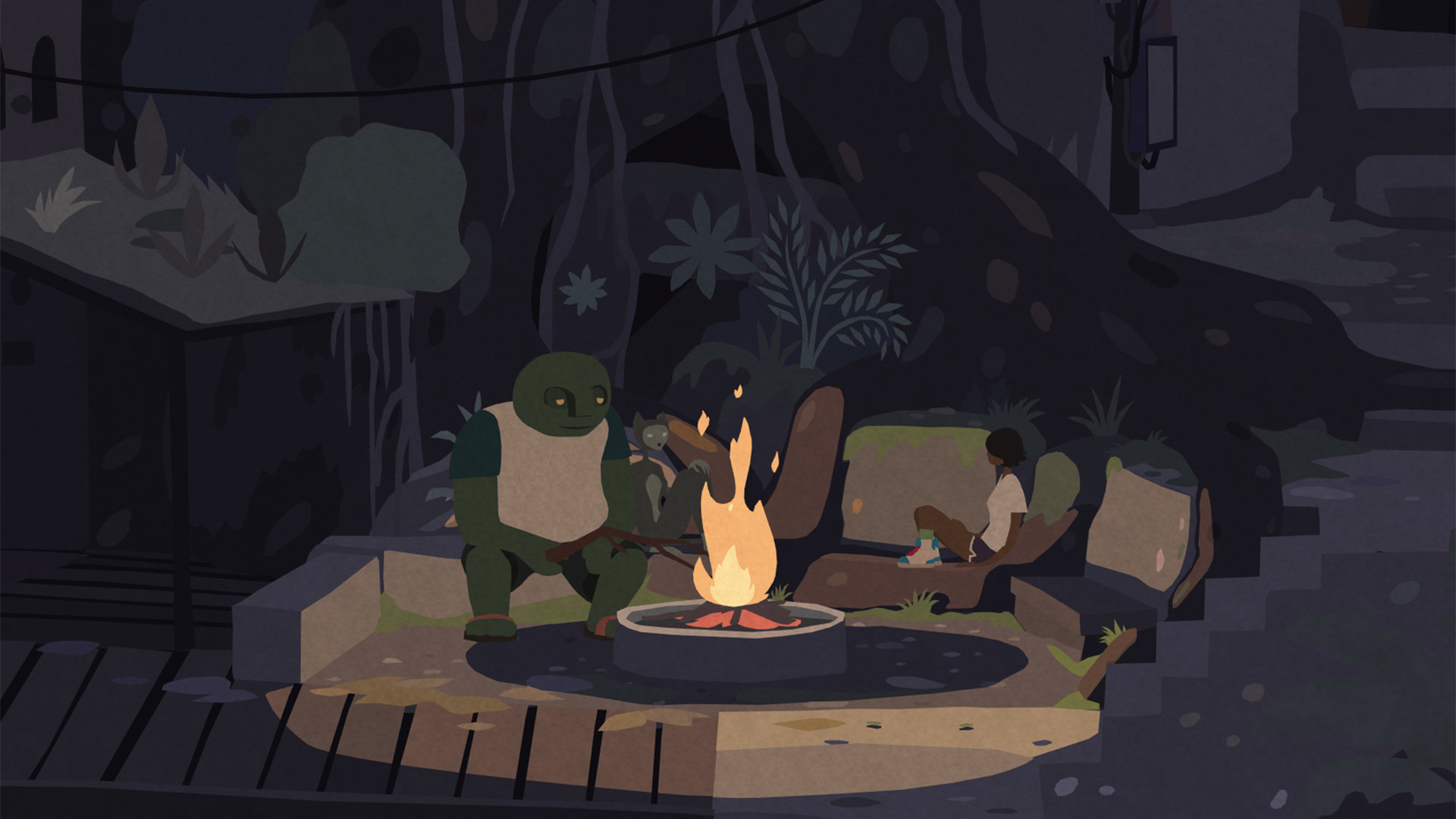
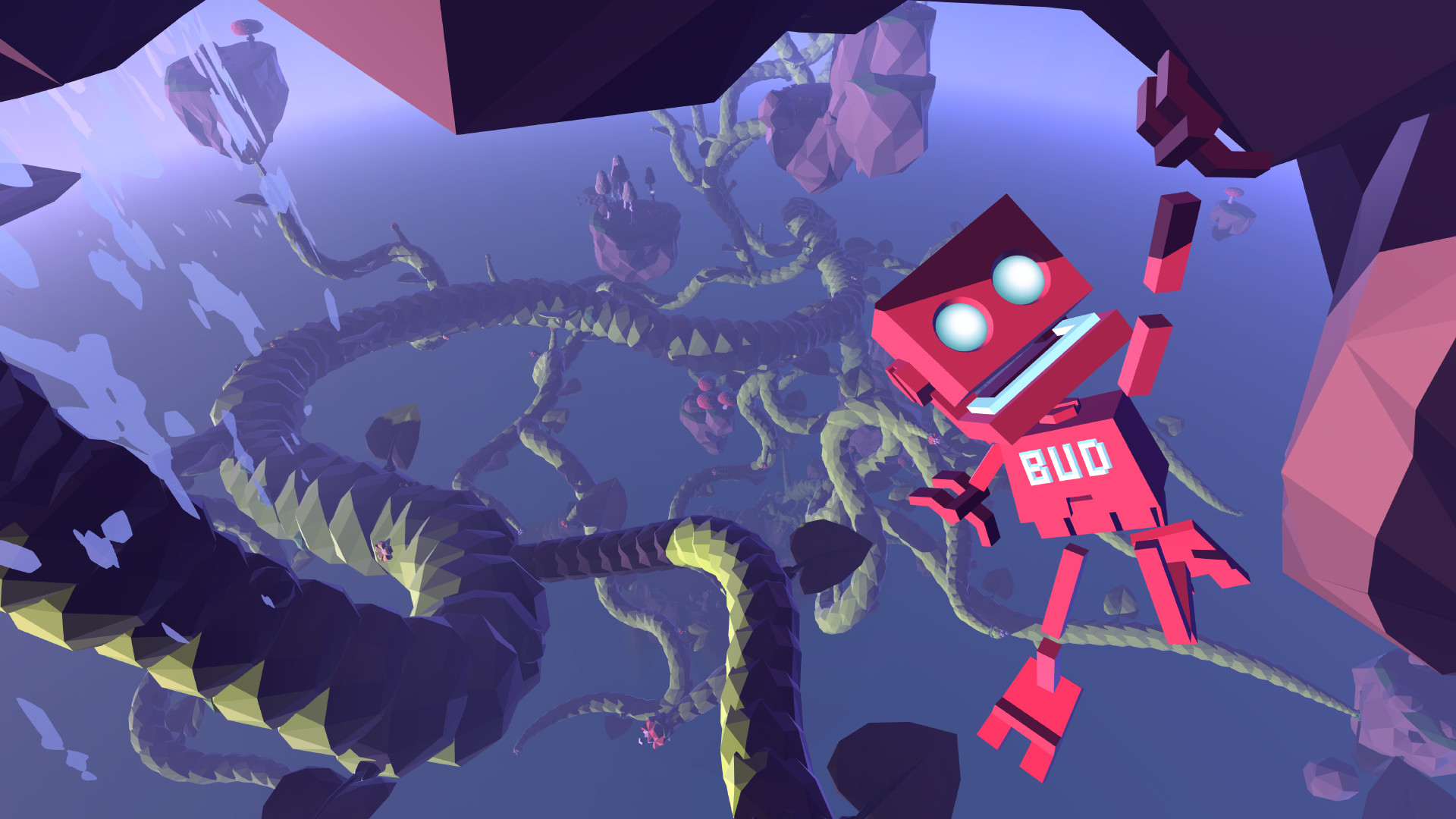
While traditional games often use plants as atmospheric tools, some titles elevate them to active, functional elements within the gameplay, offering immersive and emotionally engaging interactions that align closely with emergent HPCI principles. For example, Botanicula (Amanita Design, 2012) uses plant life as a central aspect of puzzle-solving and exploration, emphasizing plants’ unique, nonanthropomorphized nature (Hsu et al., 2018). Games like Mutazione (Die Gute Fabrik, 2019), Eufloria, and Grow Up! (Ubisoft Reflections, 2015) transcend traditional plant aesthetics by presenting plants as narrative drivers, autonomous agents, and interactive elements that deepen gameplay and provoke reflection on ecological relationships. Additionally, games like The Legend of Zelda: Breath of the Wild (Nintendo, 2017) integrate plants into core gameplay mechanics, shaping player progression and fostering a more interactive connection with the environment (see Figure 1). While Breath of the Wild incorporates plants into gameplay through gathering and crafting mechanics, it also introduces them as spatial and symbolic cues. The Korok seeds – scattered across landscapes and marked by subtle plant interactions – are not merely collectibles but act as ecological whispers, nudging the player to attend to the quiet vitality of the environment. Similarly, the Great Deku Tree is an emblem of vegetal sentience and historical memory, blurring the line between NPC, landmark, and ecosystem. In contrast, Elden Ring’s Erdtree (FromSoftware, 2022) operates as a distant, ominous beacon, whereas Flower (Thatgamecompany, 2009) presents plants as aesthetic and emotional mediators, inviting the player into a co-creative relationship with a fragile landscape. This dual framing of plants as both utilitarian and symbolic supports a deeper model of vegetal agency.
Alternative genres foster ecological empathy without resorting to fear-based narratives. Alternative titles like Turnip Boy Commits Tax Evasion (Snoozy Kazoo, 2021) and Turnip Boy Robs a Bank (Snoozy Kazoo, 2023) subvert the typical portrayal of plants as passive or hostile. Instead, they present animated, hybrid plant-human characters that challenge anthropocentric assumptions through humor rather than fear, blending ecological awareness with playful absurdity. Similarly, in simulation games like The Sims series (Maxis and Electronic Arts, 2007), PlantSims embody human-plant hybridity, portraying plants as animated, sentient beings. Another example, Walden, a game (Game Innovation Lab, 2017), blends reflective gameplay with environmental awareness, suggesting ecological empathy can be nurtured through peaceful, contemplative experiences rather than horror alone. These games blur the line between human and vegetal existence, promoting a playful yet critical exploration of more-than-human identities. Moving beyond simplistic binary perceptions of nature allows for more nuanced, ethically engaged representations in media (Morton, 2007).
This narrative design approach aligns with HPCI’s aim to treat plants as dynamic, free agents, facilitating multisensory engagement rather than merely functioning as decorative or extractive resources (Xu, 2023). HPCI is an emerging interdisciplinary field that integrates plants as interactive agents within digital systems, exploring new ways to bridge human-computer interaction (HCI) with natural ecology. HPCI builds on the foundations of HCI by positioning plants as active participants in digital environments. This notion of more-than-human interaction reconfigures plants from utilitarian objects to living co-inhabitants within interactive systems (Loh et al., 2024).
By incorporating insights from eco-horror, HPCI, and philosophical frameworks, this paper aims to critically evaluate the portrayal of plants in video games, advocating for a shift from fear-based representations to those that recognize plants as autonomous living co-inhabitants. This interdisciplinary approach challenges players to reflect on ecological impacts within immersive, biocentric digital spaces. As HPCI continues to evolve, its insights open new possibilities for creating immersive virtual environments (IVEs) that engage players in biologically informed, ethically aware interactions. We propose incorporating HPCI-inspired plant interactions into games that create immersive and emotionally resonant experiences, inviting players to consider their environmental impact and positioning video games as powerful tools for communicating ecological reflection and empathy-driven design.
2. Plant Representations in Game Design
The depiction of plants in video games has evolved from simple decorative elements to complex interactive objects with both narrative and symbolic functions. This evolution mirrors broader game design and visual representation trends, where early games used plants primarily for decoration or to evade and overcome characters (Tol-kaczewski, 2019). Traditionally, plants served as static visual assets, enriching the aesthetic realism of game environments without requiring interaction; as seen in early games like Super Mario Bros (Nintendo, 1985), where plants formed part of an aesthetic background or hazardous tethered enemies but played a limited functional role.
The concept of plant blindness, introduced by Wandersee and Schussler (1999), highlights the human tendency to overlook plants as active components of ecosystems. Early video games, therefore, mirrored this phenomenon, where plants primarily served as decorative elements or resources rather than interactive agents. However, the concept of Plant-thinking encourages us to perceive plants not as passive, aesthetic objects but as entities capable of agency and interaction (Marder, 2013). This problematizes the perceived separation between humans and nature, challenging us to reconsider how games might inadvertently reinforce this dichotomy through static or antagonistic portrayals of plant life (Cronon, 1996).
As interactive media evolved, technological advancements enabled more realistic and detailed environments, fostering complex interactions between plants and their surroundings (Měch and Prusinkiewicz, 1996). This shift has opened new opportunities for plant-driven interaction design, where plants can act as interfaces to convey emotions or support sustainable design practices (Xu, 2023). Early adventure games like Quest for Glory 2 (Sierra On-Line, 1990) and Legend of Kyrandia (Westwood Studios, 1992) feature hybrid plant-human characters, such as Julanar and Pseudobushia Hugiflora. These figures, portrayed as sentient beings that blend human and vegetal traits, exemplify an early narrative strategy of positioning plants as active, relational agents rather than mere decorative elements. The increasing visual richness of game environments has also encouraged a renewed aesthetic contemplation of plant depictions, engaging players similarly to traditional visual arts. However, this engagement often required reduced narrative and gameplay demands to allow time and space for appreciation (Atkinson and Parsayi, 2021). As technology advances, plants in games are evolving beyond their decorative origins, adopting more interactive and meaningful roles that enhance both the gameplay experience and visual depth.

|
|---|

|
|---|
As games became more sophisticated, plants played dynamic roles narratively and interactively, often representing themes of growth, life, and renewal. Recent research emphasizes plants’ symbolic and ecological significance in games, highlighting their role in exploring environmental dynamics and fostering ecological awareness (Chang et al., 2022; Lehner, 2017). In Okami (Clover Studio, 2006), for instance, plants and nature are central to the narrative, with the protagonist restoring life and balance through plant interactions (see Figure 2). At the same time, Flower uses flowers and petals to convey themes of environmental restoration and harmony (see Figure 3). These symbolic representations frequently tie into broader ecological or philosophical messages, where plants become metaphors for nature’s power or fragility.
As discussed earlier, Dark Ecology helps contextualize games like Flower that resist simplistic portrayals of nature. Games like this use plants as narrative tools to promote environmental agency, allowing players to engage with potential futures by compressing time scales and exploring virtual ecologies (Chang et al., 2022; Chang, 2013). Beyond their symbolic roles, plants are increasingly viewed as interactive design objects, offering immersive experiences through their unique forms, colors, and textures that influence user emotions (Xu, 2023). For example, in Subnautica (Unknown Worlds Entertainment, 2018), flora are integral to the underwater ecosystem, interacting dynamically with fauna and the player. This immersive portrayal encourages players to consider the complex interdependencies of plant life within alien environments. These integrations of plants into games blur the line between nature and technology, offering new ways to engage with environmental issues while promoting sustainable design (Chang, 2013; Xu, 2023).
In addition to symbolism, plants are often used as narrative devices in games to structure progression and challenges. The Legend of Zelda: Breath of the Wild exemplifies how plants operate as spatial cues and ecological resources. These plants become essential components that influence the player’s journey, transforming them from passive background elements into active tools within the game world. This integration serves multiple narrative and gameplay functions, aligning plants with a broader nature topic that contrasts with the “mechanistic topic” of ancient technology, offering players key information about their surroundings (Bradford, 2020). These interactions are critical to the player-driven narrative, where exploration and plant engagement reconstruct the hero’s memories and advance the story (Vera, 2023).
While some games present plants as active, symbolic, or narrative-driven entities, others risk depicting nature as hostile or menacing. As noted earlier, such portrayals risk reinforcing ecophobia (Estok, 2018). Understanding this risk is vital when designing plant interactions in eco-horror games, as portraying plants solely as threats may inadvertently hinder ecological awareness.
Contemporary eco-philosophers like Marder (2013) and Coccia (2019) propose rethinking plant agency as dynamic and participatory rather than merely decorative or antagonistic. This perspective aligns with Morton’s call for a deeper, more nuanced engagement with ecological complexity where non-human agency challenges simplistic environmental narratives (Morton, 2007). Games that reflect this perspective challenge conventional game design by portraying plants as co-inhabitants rather than passive assets or monstrous threats. This approach aligns with the emergent HPCI goal of positioning plants as active participants within interactive media, fostering a more nuanced understanding of plant agency and ecological coexistence.
As plants play a more significant role in games, interest is growing in their potential as more-thanhuman actors, reflecting broader trends in interaction design where non-human entities contribute to narrative and mechanics. This recent shift aligns with emerging fields like HPCI, where plants are integrated as dynamic participants. Furthermore, research has called for a reconceptualization of plants from utilitarian objects to living co-inhabitants in technologically mediated environments (Loh et al., 2024). Studies by Chang et al. (2022) and Ruzanka (2023) have explored speculative approaches where plants can be viewed as game players. These perspectives challenge human-centric design approaches, opening new possibilities for engaging with IVE ecosystems. Investigations into plants’ perceptual abilities and emotional impact on users further suggest that sophisticated, interactive representations of plants in digital environments are becoming central to design and posthumanist philosophy.
2.1 From Background to Agency
As discussed, plants have played significant roles in video games for many years, serving as aesthetic, mechanical, symbolic, and narrative elements. Therefore, plants’ more traditional or familiar roles in games, such as puzzle mechanics, environmental navigation, symbolism, and narrative, can highlight how they enhance gameplay and storytelling. In the games discussed, plants blur the boundaries between natural and technological elements, creating hybrid environments where plants are simultaneously organic and engineered. This duality reflects the complex relationships between human and non-human entities, emphasizing that plants in games can be more than mere background elements but active, dynamic forces.
Plants are integral to puzzle-solving in games like Botanicula and the The Legend of Zelda series (Shigeru Miyamoto, 1986), where they serve as interactive challenges that advance the narrative. In Botanicula, players interact with branches, seeds, and flowers to unlock paths, trigger environmental changes, or influence other creatures. These plant interactions are aesthetic and central to the story and mechanics, requiring players to understand their unique properties to progress. In the The Legend of Zelda series, plants are essential for crafting, healing, and navigating the environment. For example, in Breath of the Wild (Nintendo, 2017), plants like vines and trees become key interactive elements, allowing players to cut down trees to create bridges or gather fire-resistant plants to survive extreme environments. Beyond serving as crafting materials or aesthetic backdrops, plants in open-world games like the Assassin’s Creed series (Ubisoft Montreal, 2007) function as critical stealth mechanics. Plants provide cover, helping players hide from enemies or stage surprise attacks. This mechanic reflects a symbiotic interaction where plants offer evolutionary advantages, enhancing human strategy and natural adaptation within the game environment. These mechanics align with the increasing recognition of plants as interactive elements in game design, where their form, color, and texture evoke emotions and create immersive experiences (Xu, 2023). Researchers have even explored the concept of plants as players, expanding the notion of play beyond human-centric perspectives (Ruzanka, 2023).
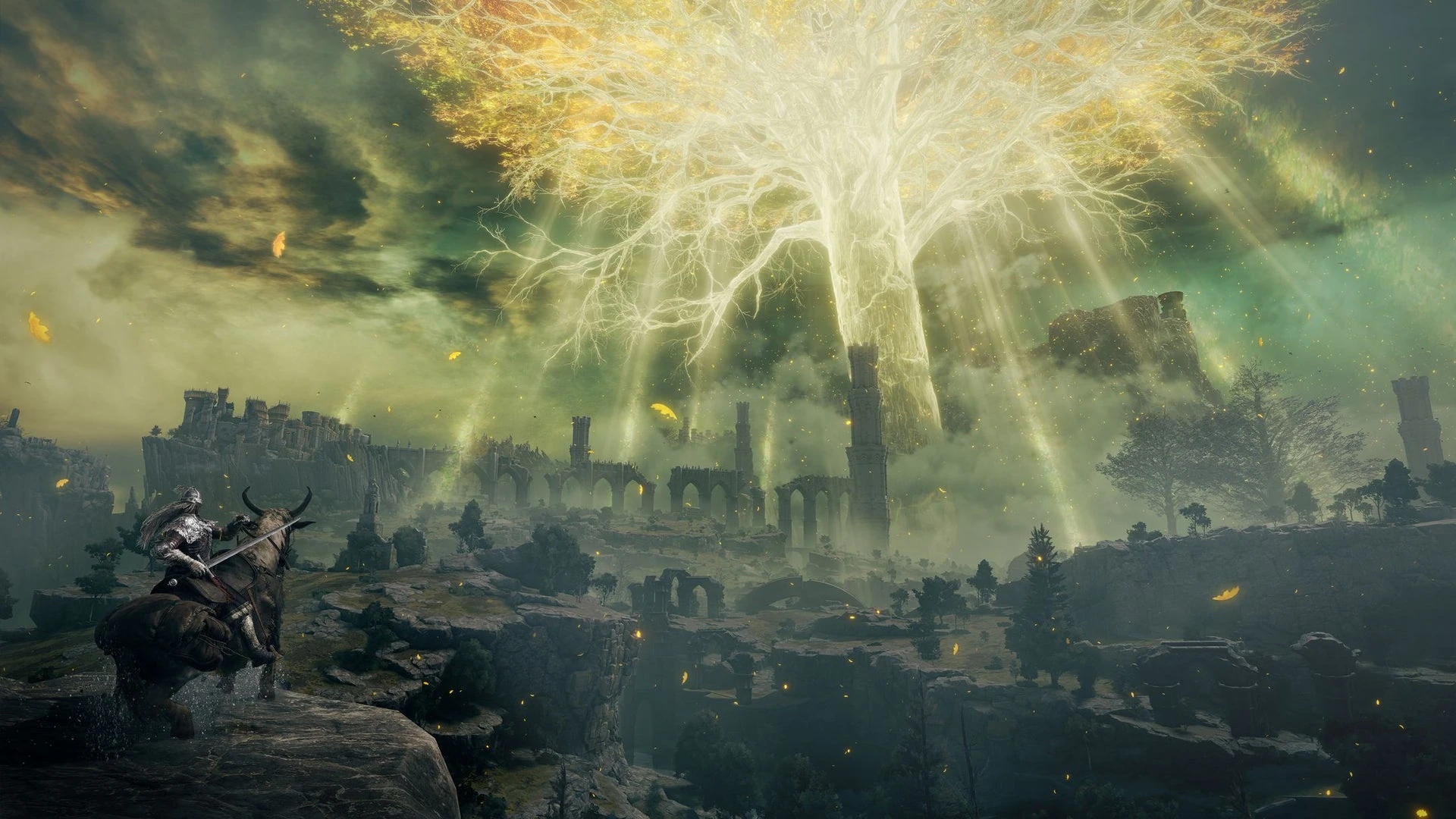
Plants also play vital roles in environmental navigation, particularly in games where they act as guiding elements. In Journey (Thatgamecompany, 2012), Ori and the Blind Forest (Moon Studios, 2015), and Elden Ring, plants subtly direct players through vast landscapes (see Figure 4). For instance, the Erdtree in Elden Ring serves as a central landmark, visible from almost any point on the map, guiding players’ paths while symbolizing the mystical heart of the game’s world. In Grow Up!, players climb a massive growing plant to reach new heights, transforming plant interaction into a dynamic navigation mechanic. This innovative use of plant life elevates plants from passive backgrounds to evolving landscapes that shape spatial exploration. In Journey, shifting sands and plant-like formations naturally lead players toward their next destination, blending organically with the game’s aesthetic and fostering a sense of unity between the player and the world (Shibolet, 2018). This design mirrors broader patterns in 3D adventure games, where environmental cues subtly guide player movement while preserving agency (Winters and Zhu, 2014; Goss and Fadel, 2022).
Symbolically, plants in games often represent growth, renewal, and community. In Mutazione, plants serve as agents of healing and cultural identity, with player interactions directly affecting the community’s well-being. This portrayal of plants as living co-inhabitants aligns with the emergent HPCI perspective, where plants are seen as aesthetic objects and active participants in the world. The philosophical notion of the Metaphysics of Mixture suggests that plants are inherently relational beings, blending human and natural worlds within interactive spaces (Coccia, 2019). In Okami, the protagonist’s journey to restore life to a corrupted world is visually manifested through blossoming plants, symbolizing balance and ecological harmony. Flower uses plants as narrative devices, where guiding petals through desolate landscapes gradually restores life, emphasizing environmental restoration and human-nature connections. This representation challenges earlier gaming paradigms by blending nature and technology to foster ecological awareness (Chang, 2019).
Games like Okami, Flower, and Mutazione ultimately encourage players to view plants as more than passive or hostile entities. Instead, they present plants as dynamic co-inhabitants that challenge anthropocentric narratives. As Marder (2013) suggests, this narrative shift reflects a philosophical reconsideration of plant agency, challenging the anthropocentric tradition of viewing plants as secondary to human concerns. By embracing a more integrative approach, game designers can foster a storytelling environment where plants are not just narrative devices but co-creators of ecological meaning (Cronon, 1996). By engaging players through symbolic and functional roles, these games exemplify how interactive media can foster a deeper connection with nature and encourage a more nuanced understanding of ecological coexistence. Furthermore, interactive plant mechanics can evoke emotional responses, enriching the player’s sense of connection and ecological empathy (Isbister, 2016).
3 A Literary Pre-history of Eco-Horror, EcoGothic, and Botanical Gothic Narratives in Games
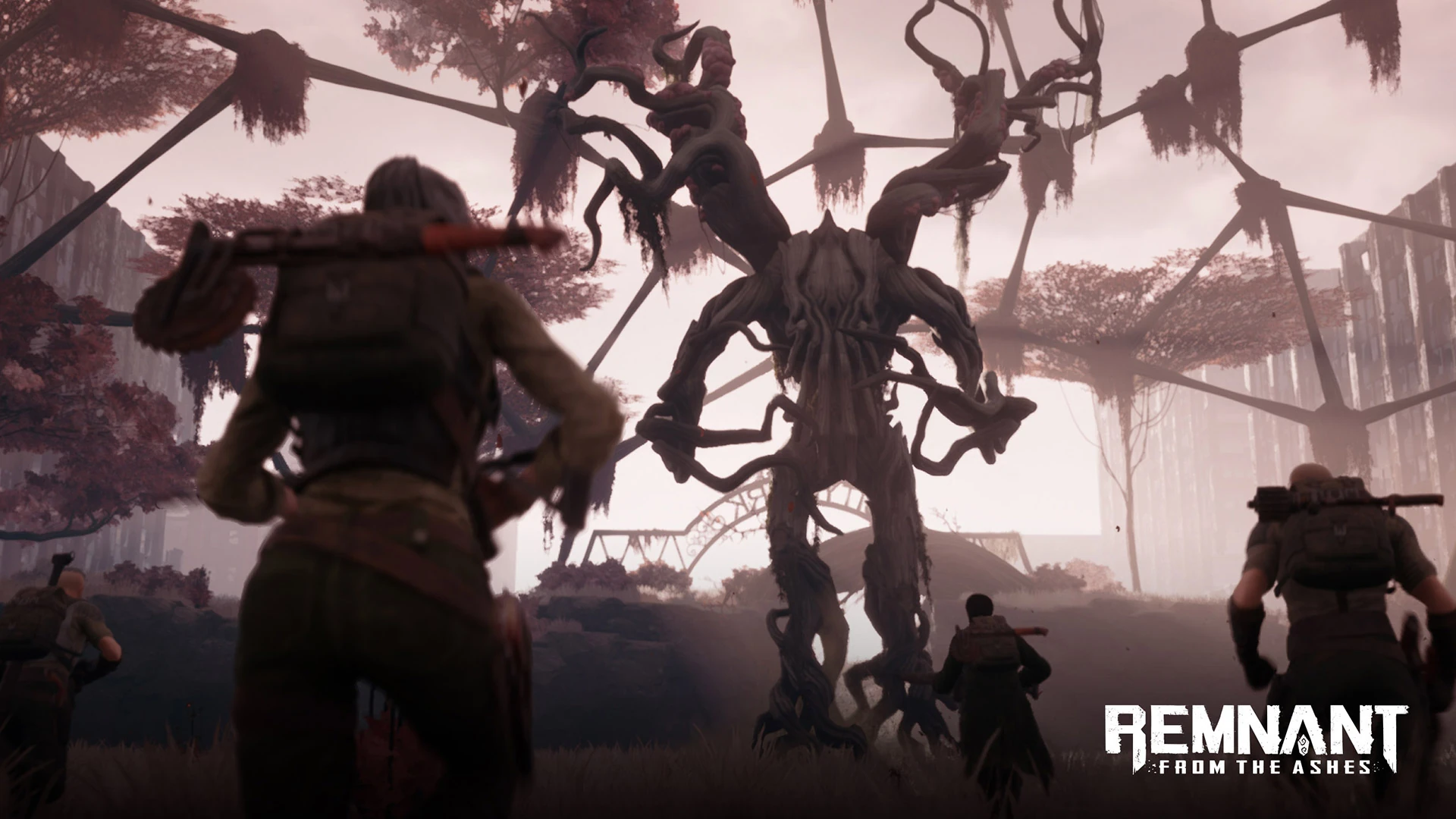
In many games, plants increasingly occupy roles of antagonism and threat. Titles such as Remnant: From the Ashes (Gunfire Games, 2019) depict monstrous vegetation overtaking the world, manifesting nature’s vengeance against human intrusion (see Figure 5). These portrayals echo tropes from early Gothic literature, where nature was often framed as sublime, unknowable, and overwhelming. For example, natural landscapes evoked awe and terror in The Mysteries of Udolpho (Radcliffe, 1794), reinforcing humanity’s vulnerability. Similarly, in Wuthering Heights (Brontë, 1847), the Yorkshire moors are wild and untameable natural environments steeped in death, obsession, and decay. These early texts anticipate core themes later formalised within the genre of ecoGothic: fear of the wild, anxiety over nature’s revenge, and the destabilisation of the human subject concerning the nonhuman world (Fitzpatrick, 2022).
As the 19th century progressed, with imperialism expanding global access to rare and exotic flora, Gothic narratives began to centre plants as symbolic or literal threats. This marks the emergence of what Butcher (2019) identifies as “botanical Gothic” – a subgenre in which plants are no longer passive scenery but monstrous, sentient agents. While ecoGothic typically explores large-scale environmental anxieties – such as climate collapse, species boundaries, and posthumanism – botanical Gothic zooms in on specific vegetal horrors: parasitic fungi, carnivorous flowers, and strangling vines. These stories reflect not only a fear of nature but also of hybridity, femininity, and the colonial Other. Rare plants imported from colonised regions become in fiction both objects of desire and agents of revenge, turning on their curators and revealing anxieties about contamination, racial mixing, and moral transgression. Scientific developments also influenced this shift in perception. Darwin’s works, including Insectivorous Plants (Darwin, 1875) and The Power of Movement in Plants (Darwin and Darwin, 1880), revealed plants as active agents – predatory, mobile, and highly responsive. These scientific revelations disrupted the notion of vegetal passivity and provided fertile ground for horror fiction in which plants ensnare, poison, and overpower humans.
The garden becomes a site of beauty and corruption in Rappaccini’s Daughter (Hawthorne, 1844). Rappaccini’s daughter, raised among poisonous plants, becomes toxic herself – a hybrid figure representing both scientific ambition and fatal femininity. In The Flowering of the Strange Orchid (Wells, 1894), an exotic orchid feeds vampirically on a collector, transforming the greenhouse into a site of bodily invasion and colonial unease. Similarly, in Carnivorine (Hooper, 1889), the carnivorous plant is described in overtly sensual terms, its beauty masking a predatory nature that seduces and endangers. These tales evoke the Gothic femme fatale through floral metaphors, blurring boundaries between seduction and consumption, allure and destruction.
These narratives reflect shifting cultural anxieties: fears of vegetal otherness, threats to patriarchal order, and repressed sexuality – often couched in racialised and gendered terms. In the context of colonial expansion and rising medical discourse, they also engage with fears of contagion, hybridity, and moral degeneracy, often linking exotic flora with disease, promiscuity, or class anxiety.

|
|---|

|
|---|
To situate these narratives more broadly, the ecoGothic emerges as a contemporary framework merging Gothic affect with ecological critique. It challenges the human/nonhuman binary by highlighting the natural world’s agency, autonomy, and eerie unpredictability (Fitzpatrick, 2022). Unlike classical Gothic, which often frames humans as victims of supernatural forces or decaying environments, ecoGothic foregrounds nature itself as destabilising. It evokes fear and fascination not simply to terrify, but to unsettle assumptions of human control. As Estok argues, the ecoGothic frequently resonates with ecophobia—a deep-rooted, irrational fear of the natural world that can reflect and reinforce human alienation from ecological systems (Estok, 2018; Edney, 2020). To situate these narratives more broadly, the ecoGothic emerges as a contemporary framework merging Gothic affect with ecological critique. It challenges the human/nonhuman binary by highlighting the natural world’s agency, autonomy, and eerie unpredictability (Fitzpatrick, 2022). Unlike classical Gothic, which often frames humans as victims of supernatural forces or decaying environments, ecoGothic foregrounds nature itself as destabilising. It evokes fear and fascination not simply to terrify, but to unsettle assumptions of human control. As Estok argues, the ecoGothic frequently resonates with ecophobia—a deep-rooted, irrational fear of the natural world that can reflect and reinforce human alienation from ecological systems (Estok, 2018; Edney, 2020).
EcoGothic narratives, therefore, both amplify and interrogate ecophobic tendencies. While they often portray nature as monstrous or invasive, they can also expose and critique the human impulse to dominate the natural world. In doing so, they provoke reflection on ecological ethics, vulnerability, and interdependence. Eco-horror as a mode can be seen as a synthesis of these strands: it combines the sweeping anxieties of ecoGothic with the specific vegetal antagonists of botanical Gothic to dramatise our 21st-century fears—climate collapse, species extinction, and the fragility of human exceptionalism. However, these narratives walk a fine line. On one hand, they can alert players or readers to the uncanny vitality of plant life and the consequences of ecological harm. On the other, they risk reinforcing ecophobia by presenting nature as something to be feared or eradicated. The challenge lies in navigating this tension: how can designers and writers use horror to provoke ecological awareness without perpetuating harmful stereotypes of nature as the enemy? Addressing this question requires a critical approach to both genre conventions and interactive design that recognises the potential of horror to unsettle and reorient, rather than merely to frighten.
4. Eco-Horror as a Design Dilemma
Steeped in this literary pre-history narrative, eco-horror in gaming challenges the benign and familiar portrayal of plants, presenting them as powerful or hostile forces that evoke existential dread and explore humanity’s fear of nature’s uncontrollable aspects (Glotfelty, 1996; Thabet, 2015; Perron, 2018). This trope often reflects anxieties about environmental degradation and unchecked human hubris, where plant life resists or retaliates against human interference (Keetley and Tenga, 2016). However, eco-horror’s potential to foster ecological empathy is complex and often contested. This raises critical questions about whether interactive eco-horror truly challenges anthropocentric perspectives or merely reinforces the perception of nature as a hostile force, as seen in literature.
As mentioned, horror, in general, and gothic, in particular, use fear to reflect society’s tensions and crises at a given time. From the haunted castles and ghosts at the end of the 18th century, reflecting the crisis of rationalism and the fear of revolution, to the mad scientist, vampire, and zombies of the 19th century, reflecting the fear of science, the colonial impact, and the taboo around sex and femininity. Today, horror alerts us about AI, technological progress, or the ecological crisis. However, because past narratives shape collective imagination, the symbolic figures and metaphors reused to address contemporary fears often carry the historical anxieties they were initially attached to. When horror games, for example, draw on tropes such as the monstrous jungle or the seductive, dangerous plant, they may unintentionally reactivate colonial, racist, patriarchal, or normative ideologies embedded within those representations – even when the intention is to critique or subvert them. These metaphors are not neutral; they retain cultural residues. As such, their use requires critical awareness and caution, given the risk of perpetuating the very imaginaries and power structures they seek to challenge.

|
|---|

|
|---|
Scholars increasingly understand eco-horror not as a fixed genre but as a mode of storytelling—an affective and narrative register destabilizing boundaries between human and nonhuman worlds. Tidwell and Soles (2021) describes this “tentacular” quality of eco-horror as extending through emotional entanglement, dread, and discomfort in the face of ecological complexity. This perspective allows us to see eco-horror mechanics not just in overtly horrific games, but in titles like Subnautica and Eufloria, where plant life evokes awe and alienation simultaneously. Games like The Legend of Zelda: Majora’s Mask (Fouto and de S´a, 2020) incorporate eco-horror elements, depicting environmental disasters and hybrid forms through shapeshifting masks that imaginatively blend aspects of human and nature. While the game explores the consequences of ecological imbalance, it also risks perpetuating the idea that nature’s transformation equates to danger. Eco-horror extends beyond simple “revenge of nature” narratives, including stories where humans harm the environment or where horror tropes paradoxically promote ecological awareness (Rust and Soles, 2014). Within ecocritical game studies, researchers examine how games use eco-horror to critique anthropocentrism while also navigating the tension between environmental empathy and fear (Navarro Remesal, 2019).
As Morton (2016) suggests, eco-horror can disrupt simplistic moral narratives by portraying plants as ambiguous entities that blur the line between human and non-human agency. This ambiguity can foster reflection on the interconnectedness of ecological systems, highlighting the fragility and complexity of life rather than merely depicting nature as a threat.
In eco-horror narratives, plants often harbor unsettling secrets or pose existential threats to human survival. Elden Ring’s Erdtree exemplifies this theme with its towering, seemingly benevolent presence that ultimately conceals a decaying core, embodying both life and corruption (see Figure 4). While not overtly antagonistic, the Erdtree represents an eerie, omnipresent force whose unsettling nature becomes apparent as players uncover its proper role. This subversion of expectations challenges anthropocentric control as players confront the Erdtree’s latent power and the unknowable aspects of nature.
In contrast, games like The Last of Us (Naughty Dog, 2013), Resident Evil (Capcom, 1996), Eufloria, and Remnant: From the Ashes present nature as an active, hostile force. Remnant: From the Ashes introduces the “Root,” an invasive species of plant-based creatures that dominate and corrupt landscapes (see Figure 5). This depiction challenges the anthropocentric view of plants as passive or controllable and underscores nature’s potential to retaliate against human exploitation. Similarly, in Eufloria, plants are sentient beings expanding across space, engaging in resource competition and colonization, reflecting nature’s untamed force and highlighting the tension between coexistence and domination. Games like Frostpunk (11 bit studios, 2018) emphasize the harsh realities of environmental degradation, forcing players to adapt to a frozen world where plant life is scarce. This scarcity functions as an eco-horror trope, highlighting the consequences of ecological collapse.
These portrayals subvert the human-centered perspective, depicting nature as an unsettling, even deadly force that reasserts its autonomy. In The Last of Us, a fungal infection transforms humans into plant-like creatures, blending human and non-human elements in a violent, invasive way (see Figure 6). Inspired by real-world parasitic fungi, this infection invades the human body, presenting nature as a relentless force capable of overwhelming human agency (Villa and Del Negro, 2022). This portrayal challenges the traditional view of plants as benign and controllable, instead evoking the horror of nature’s “untameability” (Keetley and Tenga, 2016). The game’s narrative explores human vulnerability within ecological collapse, presenting a dystopian reflection on the consequences of environmental disregard (Farca and Ladev`eze, 2016).
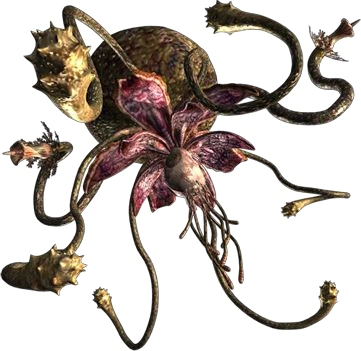
Similarly, the Resident Evil franchise (Capcom, 1996) portrays monstrous plants as conscious, hostile beings actively resisting human survival (see Figure 7). These grotesque botanical entities, from carnivorous plants to infectious vines, embody the fear of nature reclaiming dominance. Later installments, such as Resident Evil 7 and Village (Capcom, 2017), continue this trend by incorporating uncanny motherhood and monstrous reproduction, using plant-based mutations as symbols of human vulnerability and the corruption of natural order (Pinder, 2021). This perspective reflects societal anxieties about ecological collapse, where plant monstrosity challenges the perception of nature as harmonious and manageable.
Through these unsettling portrayals, games like The Last of Us and Resident Evil complicate traditional human-plant relationships, presenting plants not as life-enhancing or nurturing but as agents of fear and resistance. This eco-horror perspective challenges players to reconsider humanity’s fragile position within ecosystems and confront the potential consequences of exploiting nature. Yet, this approach also risks promoting “ecophobic” narratives, where nature’s autonomy becomes synonymous with danger.
EcoGothic—a historically adjacent but distinct mode—emphasizes the unsettling autonomy of nature, often through ambiguous or liminal representations of plants. Unlike traditional horror, which frames nature as monstrous, the ecoGothic dwells in uncertainty: plants are neither villainous nor benign but are uncanny co-inhabitants. Games like Remnant: From the Ashes and The Legend of Zelda: Majora’s Mask draw on these aesthetics through uncanny plant morphologies and decaying ecologies that reflect human fears of losing control, yet do not resolve them. This ambiguity is ethically significant: as Estok (2018) notes, it can foster ecological reflection by confronting players with the limits of human dominance.
In contrast, some games explore the uncanny in more reflective or ambiguous ways. Earlier examples like Mutazione and Flower present an empathetic counterpoint to horror-based depictions by framing plants as cultural and healing agents. These representations offer an alternative to the eco-horror paradigm by fostering empathy and highlighting the interdependence between human and natural systems. By integrating insights from Plant-thinking (Marder, 2013) and Metaphysics of Mixture (Coccia, 2019), these games challenge the binary of nature as either monstrous or decorative, instead portraying plants as complex, interactive entities that coexist with human agency.
Eco-horror games provoke reflection on human vulnerability and ecological crises by portraying plants as hostile and unpredictable. To avoid reinforcing fear-based understandings of nature, game developers must balance unsettling portrayals with opportunities for ecological empathy. This approach aligns with HPCI’s goal of fostering ethical reflections on human-plant interactions, encouraging players to see nature as a dynamic and integral part of digital environments.

|
|---|

|
|---|
5. Designing for Plant Agency
As discussed, game design can explore the nuanced roles of plant agency and autonomy, where plants serve as narrative guides, autonomous agents, and environmental architects. The procedural flora in No Man’s Sky (Hello Games, 2016) exemplifies plant autonomy, adapting to diverse planetary environments and demonstrating HPCI’s vision of plants as adaptable, autonomous entities within complex ecosystems. These design choices align with HPCI’s biocentric perspective, encouraging players to engage meaningfully with plant life and inviting designers to incorporate plants as responsive, impactful elements that challenge anthropocentric norms. Drawing on the concept of Plant-thinking (Marder, 2013) and Metaphysics of Mixture (Coccia, 2019), game designers can move beyond seeing plants as passive backdrops or monstrous threats. Instead, plants can be framed as dynamic coinhabitants whose presence invites contemplation of interdependence and coexistence. In the everpopular Minecraft (Studios, 2011), plants are not static backdrops but responsive elements that grow, decay, and influence the ecosystem. This dynamic portrayal aligns with HPCI principles, highlighting how plants shape and respond to human interventions within the game world. Research in HPCI supports this shift by advocating for biocentric ethics in HCI, emphasizing respect for plants as living co-inhabitants rather than utilitarian objects (Fell et al., 2020; Loh et al., 2024).
Building on earlier philosophical work, we argue for design systems that use discomfort and ambiguity to provoke ethical reflection (Morton, 2016; Marder, 2013). By integrating eco-horror elements thoughtfully, game designers can foster a sense of humility and reflection rather than mere fear. For instance, rather than depicting plants solely as antagonistic forces, designers could introduce mechanics where plants dynamically respond to player actions—by growing, retreating, or retaliating—thereby highlighting their ecological agency and disrupting human-centric control within game worlds. Such interactions can prompt players to reflect on their role within larger ecosystems, emphasizing ecological awareness through immersive gameplay.
Integrating HPCI with eco-horror creates opportunities to simulate ecological agency without defaulting to antagonist tropes. For instance, auditory cues that signal plant “distress” or biochemical changes can invoke unease without casting plants as malevolent. Morton (2007) is instructive here again: he argues that true ecological thinking begins with discomfort, a “melancholy ethics” that challenges romantic views of nature. By designing games that reflect the eerie complexity of real plant behavior—such as root networks responding to damage—developers can engage players in an affective ecology grounded in realism and reflection rather than fantasy and fear.
The hostile plant life depicted in Remnant: From the Ashes serves as a case study for how eco-horror elements can challenge anthropocentric assumptions about nature’s role. The game highlights nature’s potential to resist human dominance by portraying plant-based antagonists with autonomous motives. HPCI can build on this premise by designing interactions where plants act unpredictably, requiring players to respond thoughtfully and cautiously. This approach can foster immersive experiences that encourage ethical reflection on human interference with natural systems, as seen in the integration of plant agency within the narrative. As previously discussed, horror tropes require ethical care to avoid reinforcing ecophobic assumptions (Estok, 2018; Morton, 2016). Moreover, eco-horror’s ability to provoke discomfort and uncertainty can make players more aware of their ecological footprint and the fragility of human-nature relationships.
HPCI, as a plant-based game design approach, could leverage emotional and ethical dimensions to incorporate eco-horror themes to provoke empathy and ecological awareness effectively. Research on living media interfaces suggests that engaging with biological materials fosters empathy and ethical reflection (Estok, 2018). For instance, multisensory feedback—such as olfactory or haptic responses to plant interactions combined with auditory cues—can enhance immersion and foster emotional connections with non-human entities. Additionally, plant-based interfaces that evoke emotional connections and heighten user engagement align with HPCI’s goal of respecting plant autonomy and invite players to consider their role within larger ecological systems (Steer et al., 2015).
The system architecture described by Chang et al. (2022) highlights configurations like indirect integration, proxy integration, embedded direct integration, and augmented direct integration. These architectures enable dynamic, responsive plant interactions, where plants react to and shape human actions. By incorporating such design elements into game mechanics, designers can simulate living systems’ unpredictable and adaptive qualities, prompting players to rethink their relationships with nature. Moreover, game mechanics could be designed to respond to environmental disruption, where player decisions directly impact ecosystem health and balance. In line with Abraham (2022), game environments could reflect the long-term consequences of human actions, prompting players to confront their ecological impact. This approach aligns with HPCI’s commitment to sustainable interaction design, where plants act as more-than-human entities actively shaping the game world.
Designing games that respect plant agency calls for ethically rethinking interactive narratives. As Marder (2013) posits, engaging with plants requires acknowledging their active presence and capacity to shape human experiences. This aligns with the HPCI principle of creating digital ecosystems where plants are not just aesthetic enhancements but co-inhabitants with an agency. Furthermore, as discussed by Cronon (1996), breaking down the nature-culture binary through thoughtful game design can challenge players to see themselves as part of a broader ecological network rather than dominant controllers of the environment. Integrating eco-horror and non-horror portrayals of plants within the same game could foster a complex narrative that balances fear with empathy. This dual approach helps mitigate the risk of promoting ecophobia by offering players multiple perspectives on human-plant relationships.
Ultimately, incorporating eco-horror elements within HPCI frameworks allows for the creation of digital ecosystems where plants act as unpredictable, autonomous agents. By designing plant interactions that reflect harmony and conflict, game developers can challenge players to rethink their assumptions about the natural world. Such designs can inspire a more nuanced, ethically aware perspective that recognizes plants not as passive or antagonistic but as integral co-inhabitants within the game world and beyond.
6. Conclusion
In this paper, we have explored the intersection of eco-horror and Human-Plant-Computer Interaction (HPCI) in video game design, investigating how these frameworks can foster ecological awareness and challenge anthropocentric perspectives. By critically examining how plants are portrayed as passive aesthetic elements and dynamic interactive agents, we have highlighted the potential for video games to cultivate nuanced understandings of human-plant relationships. When approached with nuance, eco-horror becomes a tool not just for fear but for cultivating ecological insight.
Integrating HPCI perspectives into game design counterbalances this risk by advocating for biocentric ethics and dynamic plant interactions that extend beyond simple horror tropes. By positioning plants as more-than-human agents capable of responding, adapting, and asserting autonomy, HPCI-inspired games can foster a deeper connection between players and natural environments. This approach encourages designers to move away from binary depictions of plants as harmonious or hostile, instead embracing their complexity and ecological significance. Furthermore, leveraging diverse genres such as fantasy, simulation, and eco-gothic, alongside eco-horror, allows for richer storytelling possibilities where plants are not confined to a single narrative role. Games can and do exemplify how non-horror portrayals of plants can coexist with darker themes, fostering empathy and critical reflection within complex ecological narratives.
Future research and design should explore ecoGothic and eco-horror not merely as narrative flavors but as modes that invoke affective ambiguity and philosophical disorientation. This interdisciplinary integration opens the door to new ethical engagements with ecological complexity and interspecies relations. Rather than resolve fear, game designers might use it as a tool for ecological awareness. By thoughtfully integrating eco-horror with HPCI principles, game developers can craft digital ecosystems where plants act as unpredictable, vibrant co-inhabitants rather than passive or purely antagonistic entities. This approach challenges traditional game design practices and contributes to more ecologically aware, ethically responsible interactive storytelling. Ultimately, this interdisciplinary perspective not only broadens the scope of environmental representation in games but also promotes more reflective and empathetic player experiences within both virtual and real-world contexts.
Notes
- The concept that meaningful, emotional connections transform space into “place” (Tuan, 1979) ↩︎
Acknowledgments
This publication has emanated from research conducted with the financial support of Taighde E´ireann – Research Ireland under Grant number 23/1116 and Horizon Europe Framework Program (HORIZON) under grant agreement 101070109.
Supplementary Material
References
- 11 bit studios. (2018). Frostpunk [Video game]. 11 bit studios.
- Abraham, B. J. (2022). Digital games after climate change. Routledge.
- Akupara Games. (2019). Mutazione [Image]. Retrieved October 30, 2024, from https://shared.fastly.steamstatic.com/store_item_assets/steam/apps/1080750/ss_27d9987f046544641dfa790bf1e7dd88fe9c16d4.jpg?t=1724346891
- Amanita Design. (2012). Botanicula [Video game]. Amanita Design.
- Atkinson, P., & Parsayi, F. (2021). Video games and aesthetic contemplation. Games and Culture, 16(5), 519–537.
- Bradford, W. J. (2020). Exploring the narrative implications of emerging topics in The Legend of Zelda: Breath of the Wild. Journal of Sound and Music in Games, 1(4), 1–21.
- Brontë, E. (1847). Wuthering Heights. Thomas Cautley Newby. (Originally published under the pseudonym Ellis Bell.)
- Butcher, D. (Ed.). (2019). Evil roots: Killer tales of the botanical Gothic (British Library Tales of the Weird, Vol. 10). The British Library.
- Capcom. (1996). Resident Evil [Video game]. Capcom.
- Capcom. (2017). Resident Evil 7: Biohazard [Video game]. Capcom.
- Capcom. (2021). Resident Evil Village [Video game]. Capcom.
- CD Projekt Red. (2015). The Witcher 3: Wild Hunt [Video game]. CD Projekt.
- Chang, A. Y. (2013). Playing nature: The virtual ecology of game environments (Doctoral dissertation, University of California, Berkeley).
- Chang, A. Y. (2019). Playing nature: Ecology in video games (Vol. 58). University of Minnesota Press.
- Chang, M., Shen, C., Maheshwari, A., Danielescu, A., & Yao, L. (2022). Patterns and opportunities for the design of human-plant interaction. In Proceedings of the 2022 ACM Designing Interactive Systems Conference (pp. 925–948).
- Clover Studio. (2006). Ōkami [Video game]. Capcom.
- Coccia, E. (2019). The life of plants: A metaphysics of mixture. Polity Press.
- Cronon, W. (1996). Uncommon ground: Rethinking the human place in nature. W. W. Norton & Company.
- Crowley, E. J., Silk, M. J., & Crowley, S. L. (2021). The educational value of virtual ecologies in Red Dead Redemption 2. People and Nature, 3(6), 1229–1243.
- Darwin, C. (1875). Insectivorous plants. John Murray.
- Darwin, C., & Darwin, F. (1880). The power of movement in plants. John Murray.
- Die Gute Fabrik. (2019). Mutazione [Video game]. Die Gute Fabrik.
- Edney, S. (Ed.). (2020). EcoGothic gardens in the long nineteenth century: Phantoms, fantasy, and uncanny flowers. Manchester University Press.
- Estok, S. C. (2018). The ecophobia hypothesis. Routledge.
- Farca, G., & Ladevéze, C. (2016). The journey to nature: The Last of Us as critical dystopia. In Proceedings of DiGRA/FDG 2016 Conference.
- Fell, J., Greene, T., Wang, J.-C., & Kuo, P.-Y. (2020). Beyond human-centered design: Proposing a biocentric view on design research involving vegetal subjects. In Companion Publication of the 2020 ACM Designing Interactive Systems Conference (pp. 209–214).
- Fitzpatrick, T. (2022). Killer plants and Gothic gardeners: Gendered ecoGothic monsters as cultural representations of eco-social anxieties in literature and film from 1890–2015 (PhD thesis, Manchester Metropolitan University).
- Fouto, R. S., & de Sá, D. S. (2020). Majora’s mask (2000): Eco-horror in The Legend of Zelda. ANTARES: Letras e Humanidades, 12(28), 144–166.
- FromSoftware. (2022). Elden Ring [Video game]. Bandai Namco Entertainment.
- Game Innovation Lab. (2017). Walden, a game [Video game]. University of Southern California.
- Glotfelty, C. (1996). The ecocriticism reader: Landmarks in literary ecology. University of Georgia Press.
- Goss, J., & Fadel, L. M. (2022). Space as a remediation of the character’s metaphor: A narrative provocation. Pós, 29(54), e171043.
- Gunfire Games. (2019). Remnant: From the Ashes [Video game]. Perfect World Entertainment.
- Hawthorne, N. (1844). Rappaccini’s daughter. The United States Magazine and Democratic Review, 15(1), 93–106.
- Hello Games. (2016). No Man’s Sky [Video game]. Hello Games.
- Hooper, L. H. (1889). Carnivorine. Godey’s Lady’s Book. (Originally published July 1889.)
- Hsu, Y.-Y., Tsai, W.-C., Lee, W.-C., & Liang, R.-H. (2018). Botanical printer: An exploration on interaction design with plantness. In Proceedings of the 2018 Designing Interactive Systems Conference (pp. 1055–1068).
- Hu, Y., Fol, C. R., Chou, C., Griess, V. C., & Kakehi, Y. (2024). Immersive flora: Re-engaging with the forest through the visualisation of plant-environment interactions in virtual reality. In Extended Abstracts of the CHI Conference on Human Factors in Computing Systems (pp. 1–6).
- Isbister, K. (2016). How games move us: Emotion by design. MIT Press.
- Keetley, D., & Tenga, A. (2016). Plant horror: Approaches to the monstrous vegetal in fiction and film. Springer.
- Lehner, A. (2017). Videogames as cultural ecology: Flower and Shadow of the Colossus // Videojuegos como ecología cultural: Flower y Shadow of the Colossus. Ecozon@: European Journal of Literature, Culture and Environment, 8(2), 56–71.
- Loh, S., Foth, M., & Santo, Y. (2024). The more-than-human turn in human-plant interaction design: From utilitarian object to living co-inhabitant. International Journal of Human-Computer Studies, 181, 103128.
- Marder, M. (2013). Plant-thinking: A philosophy of vegetal life. Columbia University Press.
- Maxis, & Electronic Arts. (2007). The Sims 2: Seasons [Video game]. Electronic Arts.
- McGonigal, J. (2011). Reality is broken: Why games make us better and how they can change the world. Penguin Books.
- Mech, R., & Prusinkiewicz, P. (1996). Visual models of plants interacting with their environment. In Proceedings of the 23rd Annual Conference on Computer Graphics and Interactive Techniques (pp. 397–410).
- Moon Studios. (2015). Ori and the Blind Forest [Video game]. Microsoft Studios.
- Morton, T. (2007). Ecology without nature: Rethinking environmental aesthetics. Harvard University Press.
- Morton, T. (2016). Dark ecology: For a logic of future coexistence. Columbia University Press.
- Naughty Dog. (2013). The Last of Us [Video game]. Sony Computer Entertainment.
- Navarro Remesal, V. M. (2019). Pixelated nature: Ecocriticism, animals, moral consideration, and degrowth in videogames. Logos: Communication, Media, Video Games, 52(2).
- Nintendo. (1985). Super Mario Bros. [Video game]. Nintendo.
- Nintendo. (2002). The Legend of Zelda: The Wind Waker [Video game]. Nintendo.
- Nintendo. (2017). The Legend of Zelda: Breath of the Wild [Video game]. Nintendo.
- Perron, B. (2018). The world of scary video games: A study in videoludic horror. Bloomsbury Academic.
- Pinder, M. (2021). Mouldy matriarchs and dangerous daughters: An ecofeminist look at Resident Evil antagonists. M/C Journal, 24(5).
- Radcliffe, A. (1794). The mysteries of Udolpho. G. G. & J. Robinson.
- Rockstar Studios. (2018). Red Dead Redemption 2 [Video game]. Rockstar Games.
- Rust, S. A., & Soles, C. (2014). Ecohorror special cluster: “Living in fear, living in dread, pretty soon we’ll all be dead.” Interdisciplinary Studies in Literature and Environment, 21(3), 509–512.
- Ruzanka, S. (2023). Plant play. In Companion Proceedings of the Annual Symposium on Computer-Human Interaction in Play (pp. 228–230).
- Shibolet, Y. (2018). Game movement as enactive focalization. Press Start, 4(2), 51–71.
- Miyamoto, S. (1986). The Legend of Zelda [Video game]. Nintendo.
- Sierra On-Line. (1990). Quest for Glory II: Trial by Fire [Video game]. Sierra On-Line.
- Snoozy Kazoo. (2021). Turnip Boy Commits Tax Evasion [Video game]. Snoozy Kazoo.
- Snoozy Kazoo. (2023). Turnip Boy Robs a Bank [Video game]. Graffiti Games.
- Steer, C., Robinson, S., & Jones, M. (2015). Growth, change and decay: Plants and interaction possibilities. In Proceedings of the 33rd Annual ACM Conference Extended Abstracts on Human Factors in Computing Systems (pp. 2037–2042).
- Mojang Studios. (2011). Minecraft [Video game]. Mojang Studios.
- Thabet, T. (2015). Video game narrative and criticism: Playing the story. Springer.
- Thatgamecompany. (2009). Flower [Video game]. Sony Computer Entertainment.
- Thatgamecompany. (2012). Journey [Video game]. Sony Computer Entertainment.
- Tidwell, C., & Soles, C. (2021). Fear and nature: Ecohorror studies in the Anthropocene. Penn State University Press.
- Tol-kaczewski, F. (2019). From symbolism to realism: Physical and imaginary video game spaces in historical aspects. Homo Ludens, 1(12), 193–212.
- Tuan, Y.-F. (1979). Space and place: Humanistic perspective. In Philosophy in geography (pp. 387–427). Springer.
- Ubisoft. (2015). Grow Up! [Image]. Retrieved October 30, 2024, from https://shared.fastly.steamstatic.com/store_item_assets/steam/apps/323320/ss_608d60c1b428cb19e19232968af9ef6a69bc1daf.jpg?t=1694556095
- Ubisoft Montreal. (2007). Assassin’s Creed [Video game]. Ubisoft.
- Ubisoft Reflections. (2015). Grow Home [Video game]. Ubisoft.
- Unknown Worlds Entertainment. (2018). Subnautica [Video game]. (Open-world survival game set in an alien ocean planet featuring diverse aquatic flora, bioluminescent plants, and plant-based crafting materials.)
- User:Masem. (2018). Ōkami demonstrating the use of the celestial brush [Screenshot]. Retrieved October 25, 2024, from https://upload.wikimedia.org/wikipedia/en/5/5d/Okami-brush.jpg
- User:Rbpolsen. (2017). A screenshot of Flower, featuring a trail of flower petals flying over a green field [Screenshot]. Retrieved October 25, 2024, from https://upload.wikimedia.org/wikipedia/en/f/f5/Flower_screen01.jpg
- User:Recludam. (2021). The Erdtree from Elden Ring [Image]. Retrieved October 30, 2024, from https://static.wikia.nocookie.net/eldenring/images/d/d8/Erdtree.jpg/revision/latest?cb=20210621150948
- User:SBEyes. (2018). Screenshot from Remnant: From the Ashes [Screenshot]. Retrieved October 30, 2024, from https://static.wikia.nocookie.net/remnantfromtheashes_gamepedia_en/images/9/91/Screen_%283%29.jpg/revision/latest?cb=20181115145444
- User:Snivystorm. (2016). Clicker from The Last of Us [Image]. Retrieved October 30, 2024, from https://static.wikia.nocookie.net/thelastofus/images/f/f9/Clicker_tackles_Joel.jpg/revision/latest?cb=20160419173728
- User:The4thSnake. (2010). Plant 42 from Resident Evil [Image]. Retrieved October 30, 2024, from https://static.wikia.nocookie.net/residentevil/images/b/bb/Pachislot_Plant_42.png/revision/latest?cb=20100704221449
- Vera, E. (2023). Following the hero’s memories: The role of memory as a (re)construction of the narrative in The Legend of Zelda: Breath of the Wild. Acta Ludologica, 6(2), 4–18.
- Villa, A., & Del Negro, A. (2022). Journal of Geek Studies. Journal of Geek Studies, 9(1), 1–8.
- Wandersee, J. H., & Schussler, E. E. (1999). Preventing plant blindness. The American Biology Teacher, 61(2), 82–86.
- Wells, H. G. (1894). The flowering of the strange orchid. The Pall Mall Budget. (Original work published July 2, 1894.)
- Westwood Studios. (1992). The Legend of Kyrandia [Video game]. Virgin Games.
- Winters, G. J., & Zhu, J. (2014). Guiding players through structural composition patterns in 3D adventure games. In FDG.
- Xu, Q. (2023). Exploring the potential of plant-driven interaction design. Highlights in Art and Design, 3(1), 93–96.